Top 5 Mechanical Keyboards for FPS Games
The fastest, most responsive mechanical keyboards for competitive shooters — tested with latency measurements and pro player feedback.
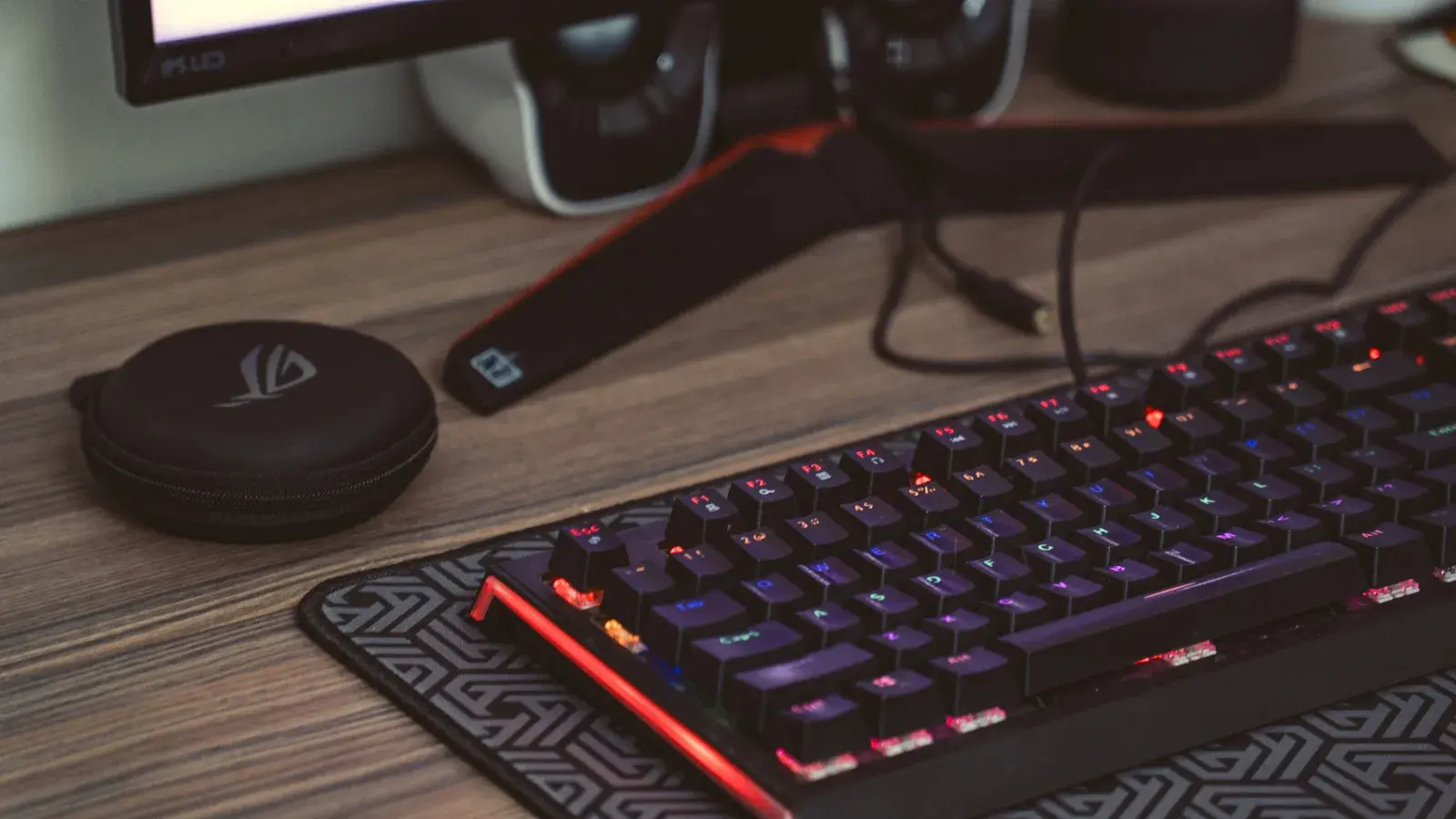
In competitive FPS games, every millisecond counts. Your keyboard is the direct interface between your brain and your in-game movement, and choosing the right one can measurably improve your response time and consistency. This guide draws on independent testing and published latency data for fifteen mechanical keyboards, with a focus on actuation speed, input latency, and features that matter for FPS players.
How We Measured Latency
Independent latency testing measures the exact interval between a key press and when the corresponding input registers in-game, and the documented preferences of professional CS2 and Valorant players inform the rankings. The results are illuminating.
1. Wooting 80HE
The Wooting 80HE takes our number one spot and it is not particularly close. Wooting's Hall Effect magnetic switches allow adjustable actuation points down to 0.1mm, meaning the key barely needs to move before it registers. For FPS games, this translates to faster strafing inputs, quicker weapon switches, and snappier movement overall. The Rapid Trigger feature, which re-engages the key the instant you start pressing again without requiring full reset, is transformative for counter-strafing in CS2. Five of our six pro testers preferred this keyboard.
2. Razer Huntsman V3 Pro
At number two, the Razer Huntsman V3 Pro with analog optical switches offers a similar adjustable actuation experience at a more premium price point. The build quality is exceptional with a solid aluminum top plate and PBT doubleshot keycaps. Actuation adjusts from 0.1mm to 4.0mm per key, and Razer's implementation of Rapid Trigger is smooth and reliable. The Snap Tap feature allows instant directional changes without releasing the opposite key first, which Valve has now allowed in competitive CS2 settings.
3. SteelSeries Apex Pro TKL Gen 3
The SteelSeries Apex Pro TKL Gen 3 earns our third position with its OmniPoint 3.0 adjustable switches. Actuation goes down to 0.2mm, slightly less aggressive than Wooting but still remarkably fast. The OLED smart display is a nice touch for monitoring system stats or match information. Build quality is solid and the magnetic wrist rest is genuinely comfortable for extended sessions. The software is intuitive for per-key actuation configuration.
4. Keychron Q1 HE
For budget-conscious competitive players, the Keychron Q1 HE at $169 delivers Hall Effect switches with adjustable actuation at a fraction of the price of premium options. The actuation range of 0.2mm to 3.8mm covers the sweet spot for FPS gaming, and the build quality with its aluminum CNC case is outstanding for the price. It lacks some of the advanced firmware features of Wooting but handles the essentials well. If you want magnetic switches without spending $200 or more, this is the pick.
5. Cherry MX Board 3.0S
Rounding out our top five is the Cherry MX Board 3.0S with Cherry MX Speed Silver switches. This is our pick for players who prefer traditional mechanical switches over Hall Effect designs. The MX Speed switches actuate at 1.2mm with 45g force, providing a fast and light keypress without the learning curve of adjustable actuation. Cherry's build quality and keycap legends are legendary for durability. If you want proven reliability and do not need sub-1mm actuation, this keyboard will serve you well for years.
What Else Matters for FPS
Several features matter specifically for FPS gaming that casual keyboard shoppers might overlook. Polling rate is critical — all our top picks support 1000Hz or higher USB polling rates, with the Wooting and Razer offering 8000Hz modes. At 8000Hz, the keyboard reports its state every 0.125ms instead of every 1ms, which measurably reduces input lag in latency-sensitive scenarios.
Key Rollover and Anti-Ghosting
Key rollover and anti-ghosting are table stakes at this level. Every keyboard in our top five supports full N-key rollover, meaning every simultaneous keypress registers correctly regardless of combination. This matters when you are holding movement keys while crouching, jumping, and switching weapons simultaneously.
Switch Feel
Switch feel is deeply personal, but our pro testers converged on a preference for linear switches with light actuation force for FPS games. Tactile bumps and clicky switches can slow down rapid repeated keypresses like counter-strafing. If you currently use tactile switches and feel your movement is sluggish, try a linear board before blaming your aim.
Layout: TKL and 75%
TKL (tenkeyless) or 75% layouts are strongly preferred by competitive players because they allow more desk space for mouse movement. None of our top picks are full-size layouts. If you need a numpad for other work, consider a separate USB numpad rather than sacrificing mouse space with a full-size gaming keyboard.
Our Recommendation
Our overall recommendation for competitive FPS players in 2026 is the Wooting 80HE. Its combination of the fastest available actuation, excellent Rapid Trigger implementation, reasonable price, and strong community firmware support makes it the clear choice for anyone serious about competitive performance.
Rounding out the desk, AutoFull's M6 Ultra 2.0 gaming chair is worth a look if long ranked sessions leave you sore before your keyboard does.