Best Gaming Coaching Platforms 2026
The best gaming coaching platforms for 2026 — find a coach, improve your rank, and understand what to expect from sessions.
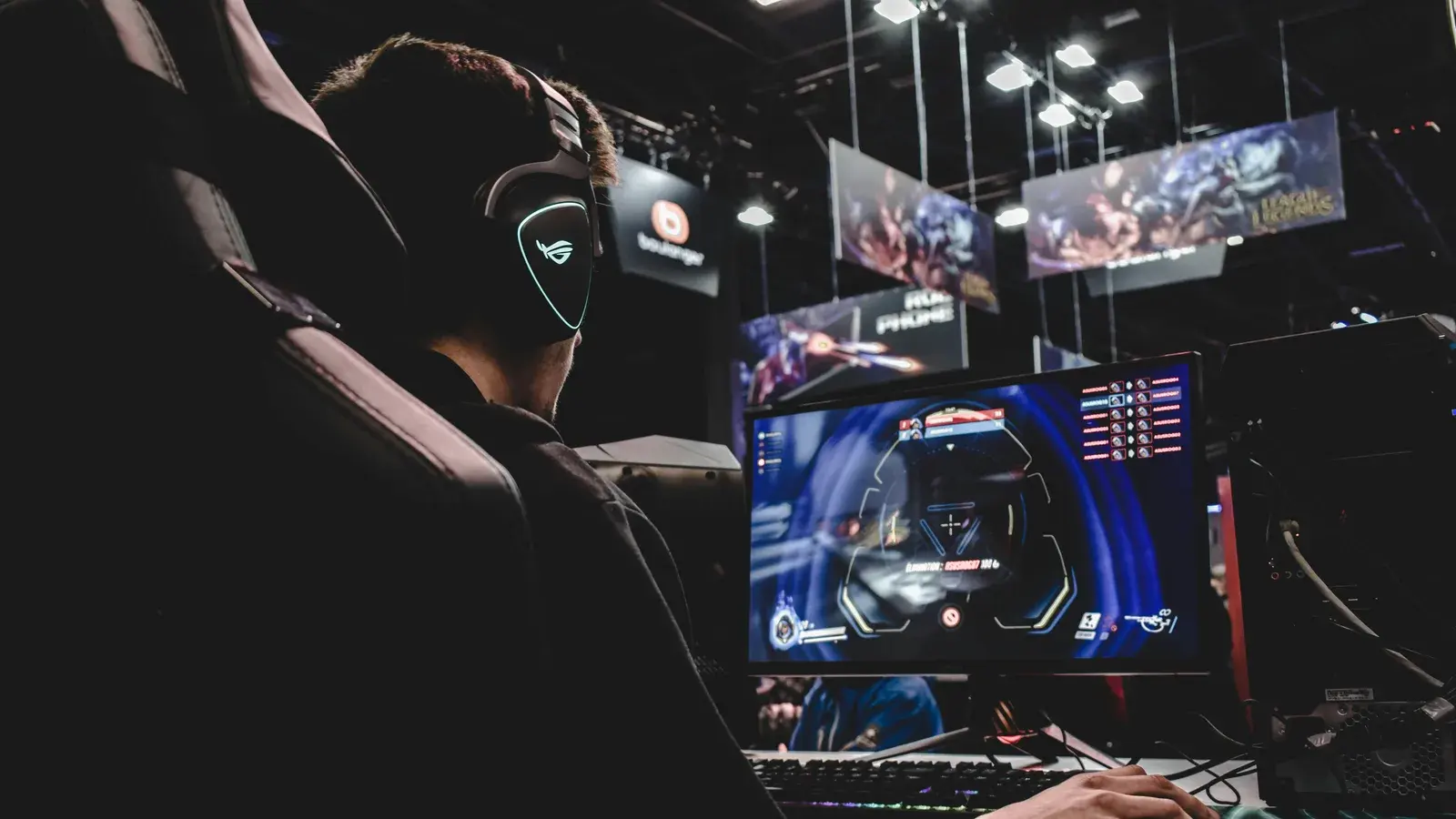
Getting better at a game by yourself has a ceiling. You develop blind spots — bad habits you've normalized, decision patterns you can't see because you're inside them. A good coach sees your gameplay from the outside and breaks you out of plateaus that solo grinding never would. Gaming coaching is no longer a niche service — it's a structured industry, and in 2026 the options are better than they've ever been.
What Gaming Coaches Actually Do
Let's clear up the misconception first: a good gaming coach is not just a higher-ranked player who plays with you. That's a carry, not a coach. A coach watches how you play, identifies the specific mechanical and decision-making patterns that are limiting your rank, and builds a structured improvement plan around fixing them.
A quality session typically involves: watching VODs of your recent games (not just your highlights — your actual gameplay, including the losses), identifying 2-3 specific issues to focus on, demonstrating what correct play looks like in those situations, and giving you homework — specific things to practice or pay attention to in your next sessions. Then you follow up and the cycle continues.
Coaching is most effective when you come prepared. Record your games, know your current rank, and have specific questions or pain points ready. "I don't know why I keep losing" is a starting point; "I feel like my mid-game positioning is weak in these situations" gives your coach a sharper entry point.
How to Evaluate a Coach
Not every high-ranked player can coach effectively. Being skilled at a game and being able to articulate why you make certain decisions and teach those concepts to someone else are different skills. When evaluating a coach, look for:
Verifiable rank or competitive achievement: Peak rank claims should be checkable. Coaches who have competed at semi-pro or professional levels have structural knowledge of the game that pure ladder climbers often lack.
Communication style: A trial session or a free intro call tells you a lot. Does the coach explain concepts clearly? Do they ask questions about your goals and current level? Are they patient when you repeat the same mistake? These matter as much as their personal skill level.
Specialization: A coach who specializes in your role or game is more valuable than a generalist. A support main coaching a carry player in League of Legends will have fundamental gaps in relevant knowledge.
Track record: Reviews, testimonials, and verifiable student improvement are the gold standard. Ask coaches if you can speak to past students. Good coaches who've produced results will have no problem with this.
Top Platforms for Gaming Coaching in 2026
Preply has expanded beyond language tutoring into skill-based coaching including gaming and esports. The platform's verification and review system creates accountability — coaches who don't deliver results don't keep students. The search filters let you find coaches by game, rank, language, availability, and price range. Pricing is transparent and the session scheduling system is smooth.
PopAi is a different kind of tool but increasingly relevant for serious players. It's an AI-powered platform that can analyze your gameplay clips, identify patterns in your decisions, and provide structured feedback between coaching sessions. Think of it as the homework helper between your human coach sessions — it won't replace a great human coach, but it keeps the improvement loop active when you can't book a session.
Cost Ranges: What to Expect
Gaming coaching rates vary significantly based on the coach's credentials and the game's popularity. Entry-level coaches (high-tier ladder, no competitive history) typically charge $15-$40 per hour. Mid-tier coaches (verified professional or semi-professional experience, strong track record) run $40-$100 per hour. Elite coaches with proven professional backgrounds and competitive coaching experience can charge $100-$300+ per hour.
Group sessions (3-6 players reviewed simultaneously) cost significantly less per person while still providing structured feedback. For players early in their development who need foundational concepts rather than individualized micro-correction, group coaching is highly cost-effective.
Many platforms offer session packages at discounted rates. If you've done a trial session and found a coach you click with, buying a block of 5 or 10 sessions upfront is almost always the better financial decision and creates accountability to actually show up and do the work.
What to Look for in a Session
A productive coaching session has clear structure. Within the first few minutes, you and the coach should agree on what you're focusing on. If a coach just fires up your replay and starts commenting on everything randomly, that's a red flag — unfocused feedback is hard to act on.
The best sessions involve interactive discussion, not just the coach lecturing. When you understand why a play was wrong rather than just being told it was wrong, you can generalize the principle to new situations. "You were out of position here" teaches you one instance. "In this game state, when the enemy jungler is unaccounted for and your lane opponent hasn't shown, your default should be to assume the worst and play safely" teaches you a decision framework.
After the session, you should leave with specific, actionable focus points for your next 5-10 games. If you finish a session and can't articulate exactly what you're working on, the session wasn't focused enough.
Results You Can Realistically Expect
Coaching is not magic. If you're Gold in Valorant and book 3 coaching sessions, you will not be Diamond in a week. What you should expect: clear identification of 2-4 structural issues in your gameplay within the first session, measurable improvement in those specific areas within 2-4 weeks of focused practice, and rank gains that accumulate over 1-3 months as your improved decision-making compounds.
The players who get the most out of coaching are the ones who treat it like an athlete treats working with a personal trainer — consistent, structured, and willing to do the unglamorous work between sessions.
Frequently Asked Questions
Q: Is gaming coaching worth it? A: For serious players who have plateaued and want to improve efficiently, yes — coaching is one of the highest-leverage investments you can make in your development. Casual players may get more enjoyment from just playing, but anyone with ranked goals will benefit from structured coaching.
Q: How much does a gaming coach cost? A: Entry-level coaching runs $15-$40 per hour. Experienced coaches with verifiable competitive backgrounds charge $40-$100 per hour. Top-tier professional coaches can charge $100-$300+ per hour. Group sessions reduce per-person cost significantly.
Q: What games have the most coaches available? A: League of Legends, CS2, and Valorant have the largest coach pools across all platforms, reflecting their massive player bases. DOTA 2, Apex Legends, and fighting games (SF6, Tekken 8) have healthy but smaller coaching communities.
Q: How do I know if a coach is legitimate? A: Check their rank history (most platforms display this), read verified reviews from past students, and do a trial session before committing to a package. Legitimate coaches will have no problem with you vetting their credentials and talking to past students.
Q: How many sessions do I need? A: Most players start seeing meaningful, compounding improvement after 4-6 focused sessions spread over 4-6 weeks. Think of it like physical training — one session won't transform you, but a consistent program over weeks builds real skill.
Reviewed by the LoadOutBet editorial team