How to Become a Pro Gamer in 2026
The realistic path to going pro in 2026 — practice structure, team play, branding, and what it actually takes.
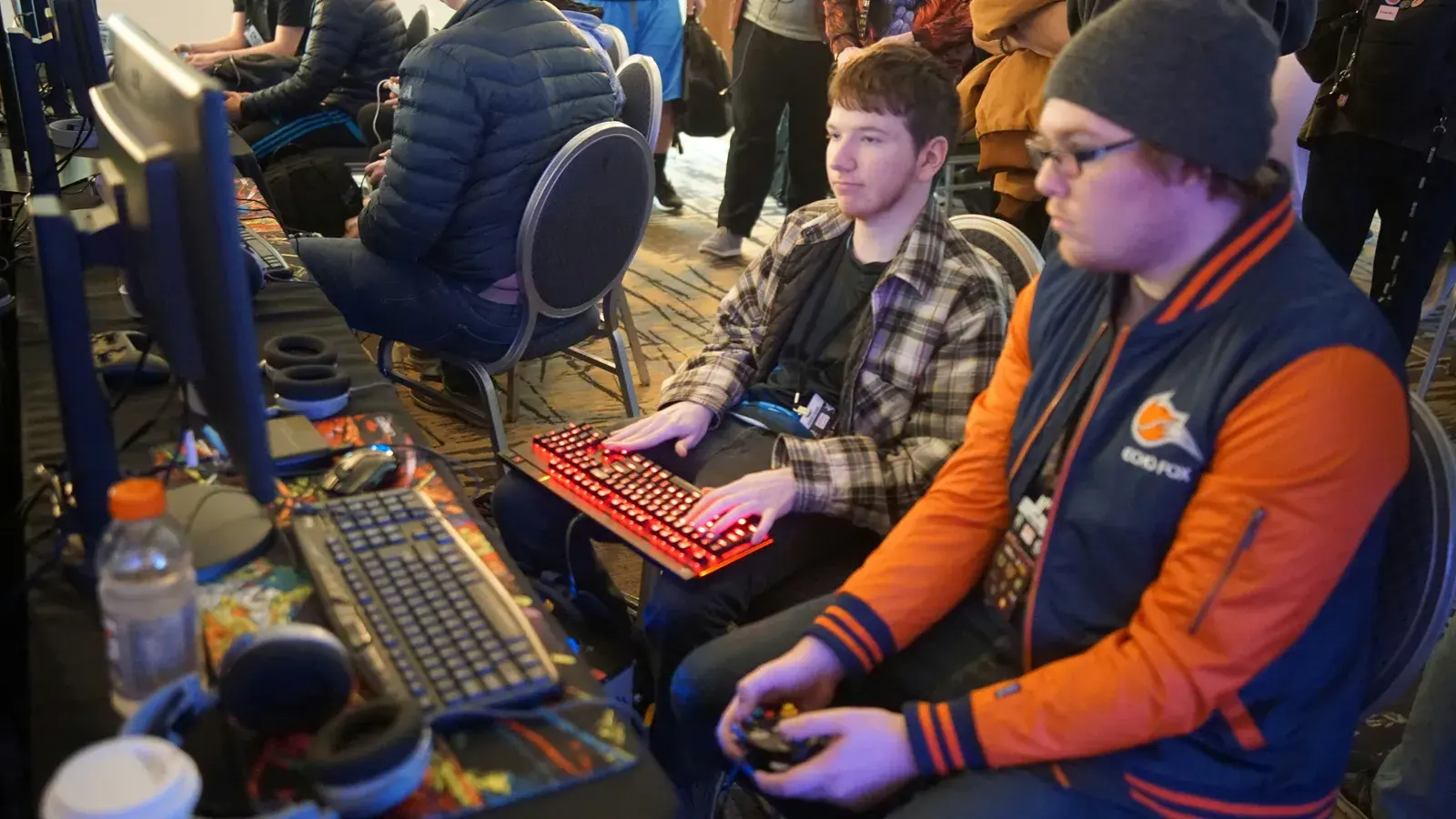
Let's skip the romanticized version: going pro in gaming is brutal, competitive, and requires the same level of dedication as any serious athletic career. Most people who want to go pro won't make it — not because they lack talent, but because they lack structure, consistency, and honesty about where they actually stand. This guide is for the people who want the real path, not the highlight reel.
Choosing Your Game: The First Critical Decision
The most important decision in a pro gaming career is which game to commit to. You need to evaluate three things: your current skill ceiling in the game, the game's competitive ecosystem (prize money, team infrastructure, longevity), and your genuine passion for it — because you will be playing this game for 8-10 hours a day, 6 days a week.
Games with the strongest pro ecosystems in 2026: CS2 (massive prize pools, global infrastructure, Valve support), Valorant (Riot's investment in franchising has created stable career paths), League of Legends (still the most structured pro league globally), DOTA 2 (highest prize pools in esports, smaller player base), Apex Legends (growing competitive scene), and various fighting games (Street Fighter 6, Tekken 8) with dedicated circuits.
Pick one game. Not two. Not "I'll play both." One game, mastered deeply, is worth infinitely more than two games played at a mediocre level.
Daily Practice Structure That Actually Works
Amateur players practice by playing. Pro players practice with intent. There is a significant difference. A typical structured practice day looks like this:
Warm-up (30-60 min): Mechanical drills, aim trainers (Aimlabs, KovaaK's), or in-game warm-up modes. You are not playing to win here — you are priming your motor patterns.
Active ranked play (3-4 hours): Full focus, no distractions, post-match review mindset. Keep sessions to 2-hour blocks with breaks. Fatigue degrades decision-making significantly after 90-120 minutes of intense focus.
VOD review (1-2 hours): Watch back your own gameplay — not to cringe at mistakes, but to identify patterns. What positioning errors repeat? What rotations did you miss? What did opponents do that confused you? Also watch professional matches and content creators who explain decision-making, not just highlight plays.
Theory and analysis (30-60 min): Read patch notes seriously. Understand how meta shifts affect your role. Watch analyst breakdowns. Join communities where strategic discussion happens at a high level.
VOD Review and Analysis: The Underrated Accelerator
VOD review is the highest-leverage activity in competitive improvement that most players skip because it feels less fun than playing. Watching yourself play — especially losses — is uncomfortable. Do it anyway.
The key is watching with specific questions: "Why did I die there?" → "What information did I have?" → "What was the correct play with that information?" → "Did I make the right call and just get outplayed, or did I make a wrong call?" This distinction is critical. Learning to separate bad luck from bad decisions is what separates plateaued players from improving ones.
Professional coaching accelerates this process dramatically. A good coach watches your VODs with context you can't see yourself — they identify pattern blindspots you've normalized. For structured coaching from players who've competed at high levels, Preply has gaming and esports coaching options from verified instructors.
Solo Queue vs. Team Play
Solo queue builds individual mechanics and decision-making under pressure. Team play builds communication, coordination, and the ability to execute strategies reliably. Both are necessary, and the balance matters.
Early in development (below the top 5-10% of the ranked ladder), solo queue should be the primary focus. Get your individual mechanics to a level where you're not the weak link in any team. Once you're in the upper tiers of the solo ladder, start actively seeking team environments.
Amateur leagues and community tournaments exist for every major title. ESEA, Faceit, Battlefy, and game-specific amateur circuits are entry points. Joining a structured team — even an amateur or semi-pro one — teaches you things solo queue never will: how to perform in team environments, how to communicate under pressure, how to lose as a team and rebuild.
Building Your Brand on Social and Streaming
Professional esports is not just about playing at the highest level anymore — teams want players with platforms. A streamer with 5,000 concurrent viewers brings sponsor value that a purely mechanical player without an audience doesn't. This is not optional career advice; it is a structural reality of the industry.
Start building your brand early. Stream your practice. Create short-form content from your best clips and analysis. Be consistent. Your brand doesn't have to be the biggest, but it should be authentic and growing. Teams and talent agents specifically look at social media presence when evaluating players.
For creating content efficiently — including AI-assisted clip analysis, script writing, and thumbnail creation — PopAi is a solid tool for gaming content creators who want to produce more without spending all their time editing.
Agents, Contracts, and the Realistic Timeline
Most players don't need an agent until they're competing at a serious semi-pro or pro level. When you do get to that point, understand what you're signing. Esports contracts have historically been exploitative — long exclusivity clauses, revenue splits that favor organizations heavily, vague performance metrics. Seek independent legal review of any contract before signing. Organizations know players are often desperate — don't let that desperation lead you into a bad deal.
The realistic timeline to going professional: 2-4 years of structured practice from a base of already-high skill, assuming you start with a natural mechanical aptitude for your chosen game and train with intent rather than volume. Most pros who went pro in their teens started grinding seriously at 12-15. If you're starting at 18+, you're not too late — but you need to be more efficient with your development time.
Frequently Asked Questions
Q: How long does it take to go pro? A: Realistically 2-5 years of structured, high-intent practice from a high skill base. There is no shortcut. Natural talent reduces the timeline; poor practice structure extends it indefinitely.
Q: Do you need a team to go pro? A: For team-based games, yes — eventually. But individual ranking achievements (reaching top 500, Radiant, Grandmaster) are the calling card that gets you noticed. Build your individual skills first, then seek team environments.
Q: What games have the most pro opportunities? A: CS2, Valorant, and League of Legends have the most structured and stable professional ecosystems in 2026, with established leagues, consistent prize pools, and the most active talent pipelines. DOTA 2 has the largest prize pools but a smaller player base.
Q: Is streaming necessary to go pro? A: Not strictly necessary for individual performance, but increasingly important for career longevity and sponsor attractiveness. Players with audiences are more valuable to organizations than equally skilled players without one. Start building your platform now.
Q: How do I get noticed by teams? A: Rank as high as possible on the official ladder, play on professional matchmaking platforms (FACEIT, ESEA), compete in amateur tournaments, and build a content presence. Talent scouts for major organizations actively monitor leaderboards and emerging community figures.
If you are working through a specific title rather than a career path, the game guides and coverage hub collects the per-game write-ups.
Reviewed by the LoadOutBet editorial team