HyperX Cloud III Review
HyperX's latest gaming headset delivers excellent audio, comfort, and build quality at a competitive price. Here is our full review.
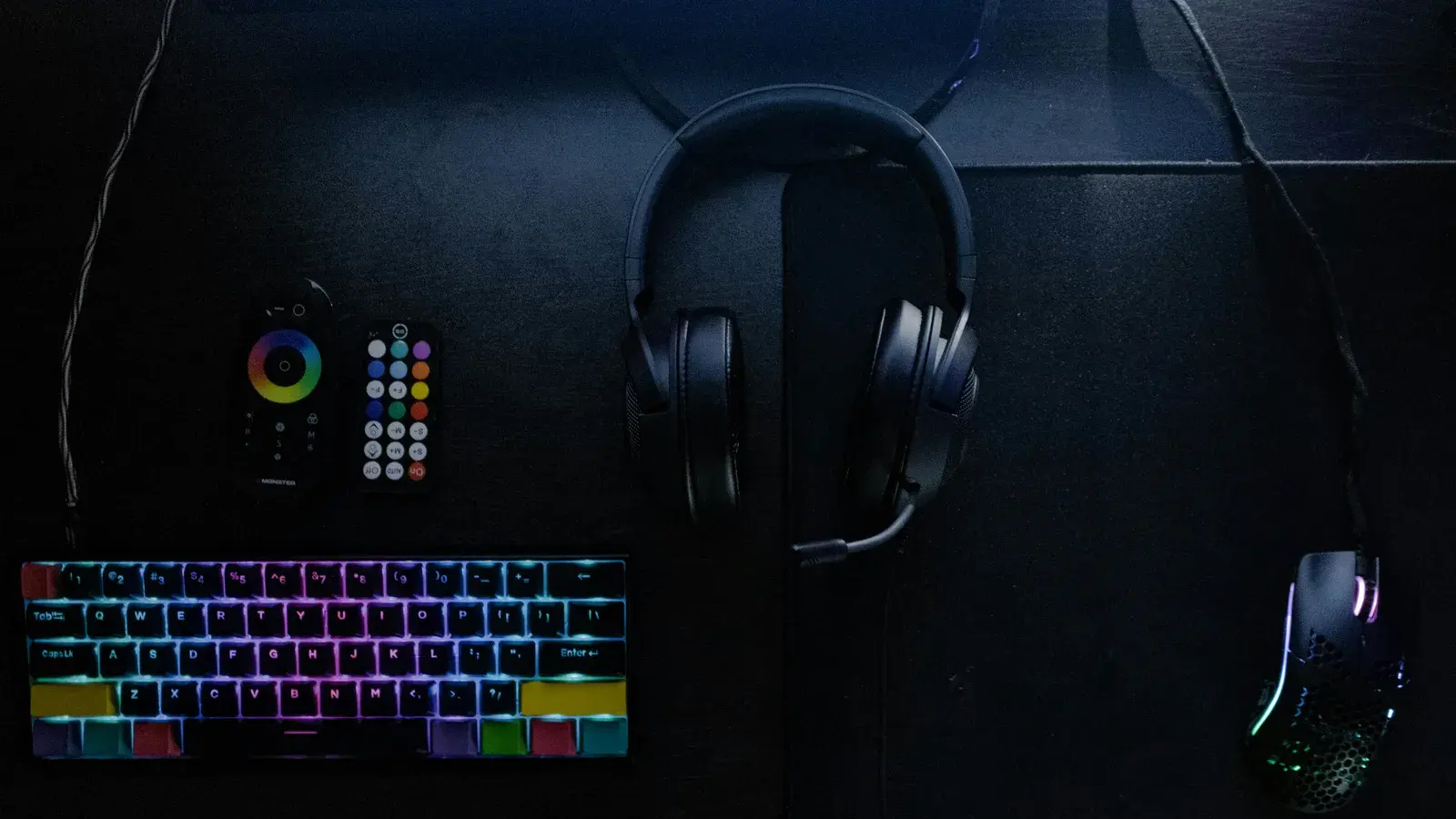
The HyperX Cloud series has been a mainstay recommendation in gaming headsets for years, consistently delivering excellent value across multiple generations. The Cloud III arrives as the successor to the beloved Cloud II, promising improved audio, enhanced comfort, and modern connectivity while maintaining the build quality and pricing that made the series popular. This review draws on extended independent testing and published measurements to determine if it lives up to the legacy.
Build Quality
Build quality immediately impresses. The Cloud III uses an aluminum frame that flexes without creaking, providing durability that plastic frames cannot match. The headband adjustment clicks firmly into position and, by reviewer accounts, shows no signs of loosening over extended use. The ear cups rotate 90 degrees flat for storage or single-ear monitoring, and the overall construction feels like it will last for years of daily use. At 298 grams, it sits in the comfortable middle ground — light enough for extended sessions but substantial enough to feel premium rather than flimsy.
Comfort
Comfort is a genuine strength. The memory foam ear cushions wrapped in breathable leatherette provide soft, even pressure distribution around the ears. Most testers found the Cloud III comfortable for sessions exceeding three hours without adjustment. The clamping force is moderate — enough to stay in place during active movement but not tight enough to cause pressure headaches. The headband padding is adequate though thinner than some competitors, which occasionally causes pressure points during four-hour-plus marathon sessions.
Audio Quality
Audio quality is where the Cloud III takes a meaningful step forward from its predecessor. The 53mm drivers with neodymium magnets deliver a sound signature tuned for gaming: clear mids for voice communication and game dialogue, controlled but present bass for explosions and environmental effects, and crisp highs for footstep detection and ability sounds. In CS2, we found directional audio excellent — footsteps on different surfaces were easily distinguishable and positional accuracy allowed reliable callouts.
Compared to the Cloud II
Compared to the Cloud II, the improvement is most noticeable in soundstage width and detail retrieval. The Cloud III presents a slightly more open sound that improves spatial awareness in competitive games. Bass is tighter and less boomy, which sacrifices some cinematic impact in single-player games but provides better clarity in competitive scenarios where every audio cue matters. For music listening, the Cloud III is competent but falls short of dedicated headphones — which is expected at this price point and form factor.
The Microphone
The detachable microphone is clear and effective for team communication. Voice quality in Discord calls was consistently praised by teammates, with good intelligibility and natural tonality. The cardioid pickup pattern does a reasonable job of rejecting background noise from keyboard clicks and room ambience, though it does not match the noise rejection of dedicated streaming microphones. A physical mute button on the ear cup provides quick, reliable muting without reaching for software controls.
Connectivity
Connectivity options include a 3.5mm cable for universal compatibility with PC, console, and mobile devices, plus a USB-C to USB-A adapter with integrated DTS Headphone:X spatial audio processing. The DTS implementation adds simulated surround sound that some users find enhances immersion in single-player games. For competitive play, we recommend stereo mode — as with most virtual surround implementations, the processing adds spatial ambiguity that can actually hinder directional accuracy in games with good native audio engines.
Inline Controls
The inline volume control and mute on the USB adapter work reliably and provide convenient adjustments without tabbing out of games. The cable is braided and feels durable, with a 1.5-meter length that accommodates most desk setups. An extension cable is included for users who need additional reach to their PC's rear audio jacks.
Sound Isolation
Sound isolation is moderate with the leatherette ear pads. The Cloud III blocks enough ambient noise for focused gaming in a quiet room but will not eliminate significant background noise from a loud environment. For users who need better isolation, the closed-back design does its job within the limitations of the ear pad material. Replacement velour pads are available and improve breathability while slightly reducing isolation.
Compared to Rivals at $79
Comparing the Cloud III to competitors at its $79 price point, it competes directly with the SteelSeries Arctis Nova 3, Corsair HS65, and Razer BlackShark V2. Across independent reviews, the Cloud III offers the best build quality and most comfortable fit of this group, while the SteelSeries edges ahead in microphone quality and the Razer provides slightly wider soundstage. The differences are marginal enough that hand size, head shape, and aesthetic preferences should guide your choice.
Our Verdict
Our verdict: the HyperX Cloud III is the best wired gaming headset under $80 in 2026. It improves meaningfully on its predecessor in audio quality while maintaining the comfort, build quality, and value that made the Cloud series a go-to recommendation. If you want reliable, excellent-sounding gaming audio without paying premium prices, the Cloud III delivers.