Best Gaming Chairs 2026
The best gaming chairs for 2026 — comfort, posture support, materials, and value picks for long gaming sessions.
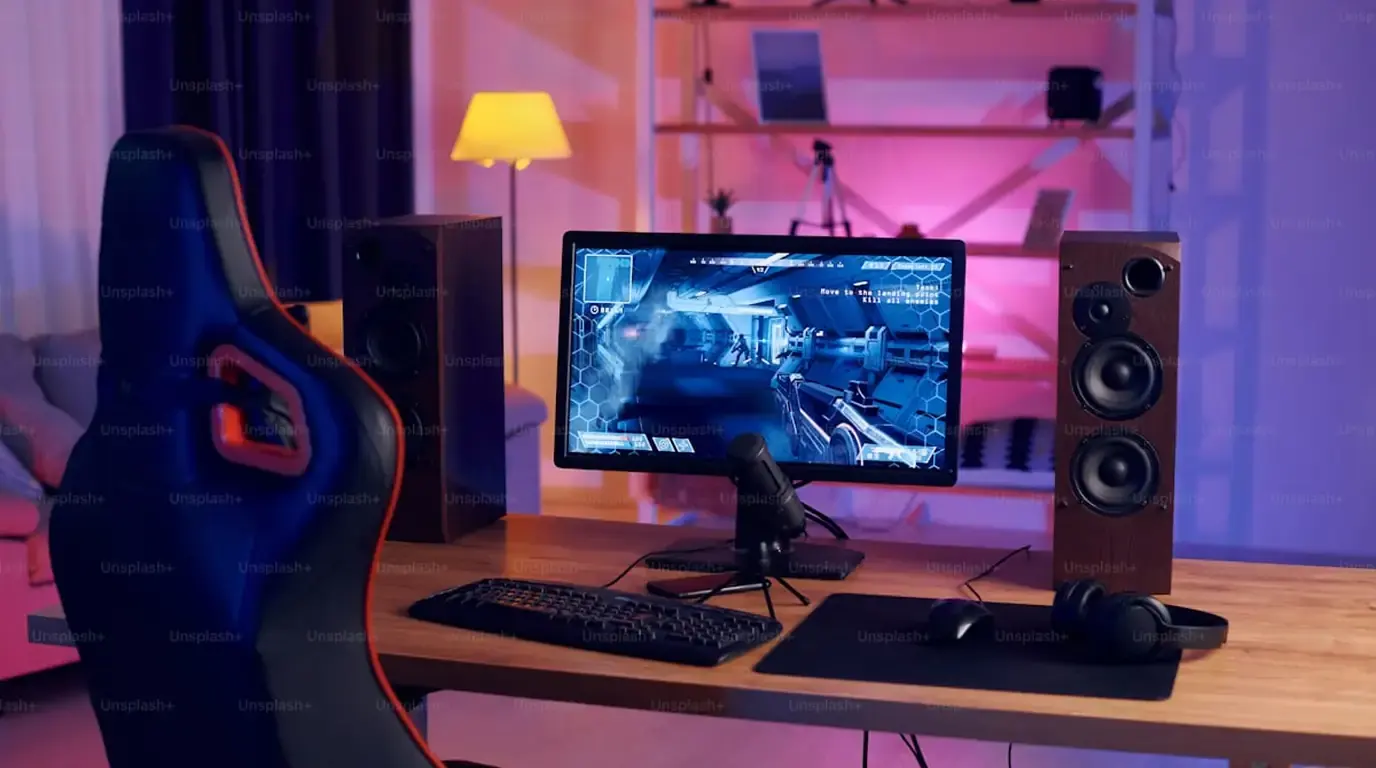
You will spend more hours in your gaming chair than almost any other piece of equipment you own. More than your keyboard, your mouse, your headset. And yet most people either cheap out entirely or get suckered by a flashy racing-style chair that destroys their back after two hours. Here's the truth about gaming chairs in 2026 and how to pick the right one.
Racing Style vs. Ergonomic: The Real Debate
The gaming chair market is dominated by racing-seat-inspired designs — bucket seat shells, bold colors, tall winged backs. They look great in setup photos and streaming backgrounds. The problem: racing bucket seats are designed for drivers who are strapped in and not moving. You are not strapped in. You need to shift, lean, and move freely during long sessions.
True ergonomic office chairs — think Herman Miller, Steelcase, Autonomous — are designed by people who study how humans actually sit for 8+ hours. They accommodate movement, provide adjustable lumbar support, and distribute weight properly. The gap in functional comfort between a premium ergonomic chair and a premium gaming chair is significant.
That said, mid-to-high-end gaming chairs in 2026 have improved dramatically. Brands like Secretlab, Noblechairs, and Corsair have added meaningful ergonomic features — adjustable lumbar, 4D armrests, wider seat bases — that close the gap. If you want the gaming aesthetic, these are the ones to consider.
Lumbar Support: Non-Negotiable
Lumbar support is the single most important feature for preventing back pain during long sessions. Your lumbar spine has a natural inward curve (lordosis) that flattens when you sit, causing muscle fatigue and pain over time. A proper lumbar cushion or built-in lumbar adjustment maintains that curve.
Fixed lumbar pillows (the strapped-on cushion type common in budget gaming chairs) are better than nothing but often poorly positioned. Adjustable built-in lumbar support — where you can dial the depth and height — is significantly better. The Secretlab TITAN Evo 2026 gets this right with its integrated 4-way adjustable lumbar system that actually locks into your lower back properly regardless of your height.
Material Matters: Fabric vs. PU Leather
PU leather (polyurethane leather) dominates the gaming chair market because it photographs well and wipes clean easily. The downsides: it gets hot in warm environments, it can crack and peel after 2-3 years, and it doesn't breathe. If you game in a warm room or tend to run hot, you'll notice the sweat buildup within an hour.
Fabric (usually woven or mesh material) breathes significantly better. Mesh-back chairs in particular allow continuous airflow that keeps you cooler during long sessions. Fabric seat cushions are also more comfortable for extended sitting because they don't create the same heat and moisture buildup. The trade-off is that fabric shows wear more visibly and can be harder to clean.
In 2026, the best fabric gaming chairs have narrowed the look-and-feel gap with leather considerably. Secretlab's SoftWeave Plus fabric is durable, soft, and doesn't pill significantly over time. For anyone who games more than 4 hours a day, fabric is the more practical choice.
Budget Options That Actually Work
You don't need to spend $500 to get a decent gaming chair. In the $150-$250 range, the RESPAWN 110 Racing Style Gaming Chair and the Homall Gaming Chair both offer functional ergonomic features — recline, adjustable armrests, lumbar pillows — that are acceptable for sessions up to 3-4 hours. They won't last 5 years and won't compete with premium options in comfort, but they're not the complete garbage they once were.
For the seating side of a setup, AutoFull sells the M6 Ultra 2.0 direct. Buying from the manufacturer rather than a marketplace listing is generally the safer route for a warranty claim on something you will sit in for hours a day.
What the Pros Actually Use
Sponsored content has heavily distorted the "what pros use" picture. Many pros are paid to sit in gaming chairs for camera visibility even if they actually prefer a different chair. With that caveat: a growing number of professional players are switching to or using ergonomic office chairs — Herman Miller Embody and Aeron, Steelcase Leap V2 — especially players who also spend significant time doing VOD review and strategic work at their desk.
Among gaming-branded chairs, Secretlab is genuinely the most common choice among pros who aren't contractually obligated elsewhere. Its TITAN Evo line holds up to real daily use and provides legitimate lumbar and neck support.
Posture Tips for Long Sessions
No chair — regardless of price — eliminates the need for conscious posture habits. Keep your feet flat on the floor or a footrest. Your knees should be at approximately 90 degrees. Your monitor should be at or slightly below eye level so your neck isn't angled down. Take a 5-10 minute break every 90 minutes to stand and move. Use the armrests to offload shoulder and neck tension. Adjust the lumbar support so it actually contacts your lower back — most people set it too low.
Height and Weight Compatibility
Most gaming chairs are designed for users up to 6'2" and 250 lbs. If you're outside that range, look specifically for chairs with extended height ratings and wider seat pans. Secretlab offers a TITAN XL variant for users up to 395 lbs and 6'9". DXRacer publishes detailed sizing charts across their product lines. Sitting in a chair that's too narrow or too short for your frame negates any ergonomic benefits — fit matters.
Frequently Asked Questions
Q: Are gaming chairs worth it? A: Mid-to-high-end gaming chairs (Secretlab, Noblechairs) with proper lumbar and armrest adjustability are genuinely worth the investment if you game 3+ hours daily. Budget gaming chairs under $150 are largely marketing over function. For maximum ergonomic benefit, a premium office chair (Herman Miller, Steelcase) outperforms gaming chairs in long-term comfort.
Q: What should I look for in a gaming chair? A: Prioritize adjustable lumbar support, 4D armrests (adjustable in four directions), a recline mechanism, seat height adjustment, and materials appropriate for your climate. Fit to your body size matters — check height and weight specifications before buying.
Q: How long do gaming chairs last? A: Budget gaming chairs typically last 1-3 years before the padding compresses or the PU leather begins to crack. Mid-range options last 3-5 years with normal use. Premium chairs (Secretlab, Herman Miller) are built to last 5-10+ years and come with longer warranties — Secretlab offers a 3-year warranty standard, and Herman Miller covers their chairs for 12 years.
Q: Is fabric or leather better for gaming chairs? A: Fabric breathes better and is more comfortable for long sessions in warm environments. Leather (PU or genuine) cleans more easily and looks sharper on camera. For daily gaming use, fabric or mesh is the more practical choice for most players.
Q: Do I need a headrest pillow? A: Only if your monitor is positioned higher than eye level and you find yourself tilting your head back. Most ergonomic recommendations favor positioning your monitor at or slightly below eye level, in which case the headrest pillow is mostly decorative. A neck pillow that pushes your head forward can actually cause tension over time.
Reviewed by the LoadOutBet editorial team